Morocco is increasingly positioning itself as a strategic business and investment location between Europe and Africa. Against the backdrop of global supply chain shifts, the growing importance of nearshoring, and massive investments in renewable energies and infrastructure, the Kingdom is becoming even more attractive to international companies. Particularly in the run-up to the 2030 FIFA World Cup, which Morocco will co-host with Spain and Portugal, the implementation of large-scale projects in the areas of transport, energy, industry, tourism, and digitalization is accelerating.
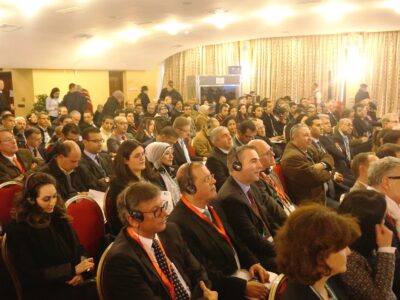
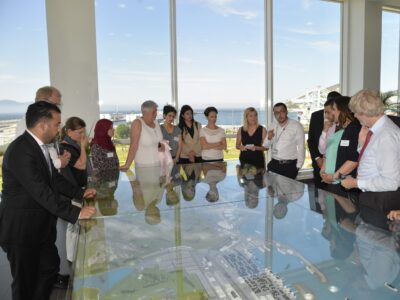
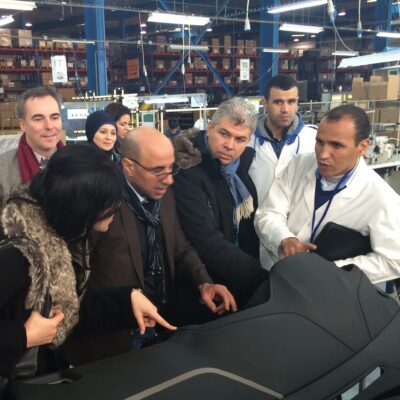
EMA e.V. is taking advantage of this momentum to host the 11th German-Moroccan Business Forum from June 23–26, 2026. As part of this business delegation, participants will gain exclusive insights into current market developments and concrete business opportunities on the ground. A diverse program of conferences, B2B discussions, company visits, and meetings with political decision-makers and investment institutions will provide direct access to relevant stakeholders in Morocco’s key economic regions.
The registration fee includes a ticket for the entire program from June 23-26, 2026, meals, and transportation within Morocco. Flights to and from Morocco and accommodation must be booked individually and are not included in the registration fee. The EMA is happy to provide recommendations and assistance with bookings.
Program Highlights
- Conferences with leading economic players and regional chambers of commerce and industry in Casablanca, Rabat, and Tangier
- B2B meetings with Moroccan companies and potential business partners
- Roundtables with key funding and investment institutions, including AMDIE and regional investment centers (CRI)
- Company visits in future-oriented sectors such as renewable energy, industry, and infrastructure
- Individual consulting and support beyond the forum
Industry Focus Areas
- Urban Planning & Infrastructure
- Architectural and Construction Services
- Building Materials and Machinery
- Smart Cities, Mobility
- Water and Energy Management
Ongoing and planned infrastructure projects
- Investments of approximately €8 billion in the rail network: Extension of the high-speed line to Agadir in the south of the country by 1,300 km, extension of the regular network by 3,300 km, acquisition of new environmentally friendly trains, strengthening of local transport, and connection of 20 new cities.
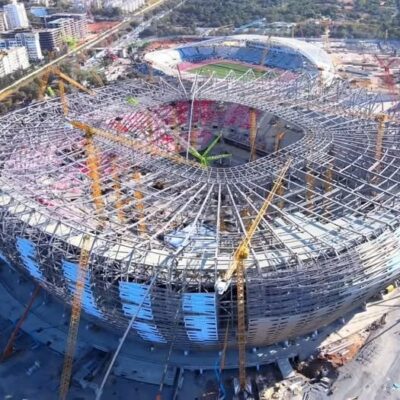
- Modernization and construction of seven stadiums: Construction of the new Grand Casablanca stadium in Benslimane with 115,000 seats, as well as modernization of the Tanger Grand, Moulay Abdellah (Rabat), Casablanca, Fez, Marrakech, and Agadir stadiums, totaling approximately €2 billion (work on stadium roofs, underground parking, training grounds, stands, changing rooms and showers, and technical facilities).
- New port facilities: Modernization and expansion of the TangerMed complex, valued at approximately €650 million, and construction of the Nador West Med (NWM) port as a logistics, industrial, and energy platform. Value of approximately €1.1 billion
- Expansion of the road network to approximately 1,000 km: Lane widening and new construction of highways in the greater Casablanca, Rabat, and Agadir areas, as well as on the Guercif-Nador and El Hajeb-Rissani routes, valued at more than €650 million
- Urban development: Strengthening public transport, creating parks and green spaces, revitalizing informal neighborhoods, and implementing smart city concepts for more efficient transport, energy, and waste management in the Casablanca development plan
Why Morocco?
- A dynamic growth market with a clear industrial policy strategy and increasing foreign direct investment.
- Major projects in connection with the 2030 FIFA World Cup will generate significant investment in infrastructure, construction, mobility, and tourism.
- A leading role in renewable energy, particularly in solar, wind, and hydrogen projects.
- Strategic location with close proximity to Europe and short supply chains (nearshoring).
- High political stability and economic resilience compared to other countries in the region.
- Competitive production costs combined with a highly skilled workforce.
- Modern infrastructure, especially the Tanger Med Port, a logistics hub between Europe, Africa, and Asia.
- Attractive investment incentives and support programs for international companies.
Why should you participate in the delegation?
- B2B & Networking: Establish direct contacts with decision-makers from business, politics, and institutions. Take advantage of the opportunity to meet potential partners in person and strategically expand your network in one of North Africa’s most dynamic markets.
- Knowledge & Consulting: Benefit from in-depth insights into current market trends, regulatory frameworks, and concrete business opportunities. EMA’s experts will support you with practical information and personalized advice.
- Business Development: EMA will support you not only during the delegation trip but also beyond – from market analysis to concrete project development and follow-up of your business contacts.
- Funding Opportunities: Gain a structured overview of relevant funding programs and financing options on both the German and Moroccan sides.